Concept
I kept one notebook with 2 fronts. From one end it is work. Turn it over, and it is a diary of the same days. This piece gives the diary a body and hands it to a stranger.
You never see the notebook. You see stones. I cut them out of paper, and behind each one is a line from the diary, translated from my Hebrew by the machine. On screen, 12 of the 16 are a machine’s redraw of my paper.
Push them, pile them, open them. Close one and it cries. Not every time, and that is on purpose.
The question: can one person’s pain, given a stage, become the reader’s own?
Where it started
The work side is in English: tasks, issues, notes for meetings. The diary side is in Hebrew: what those same days were doing to me.
I photographed the pages. The photographs stay with me.
I was asked what scared me more: showing too much, or being so vague that nobody feels anything. I said vague. So I do not soften the words. The stone keeps a little distance. The line inside it does not.
“I think that maybe I take a personal experience, give it a stage, and turn it into everyone’s experience.”
I did cut. Any sentence that names a person, a place or the company never reaches the page.
Machines are bad at handwritten Hebrew. The first one read about a third of my pencil words. A second one made up fluent Hebrew that was never in the notebook. So I typed and dictated 17 of the 21 pages myself. The English is a translation, never a rewrite.
The stones
On 16 September I cut 12 pieces by hand: 10 eyes set into hair, teeth, lips.
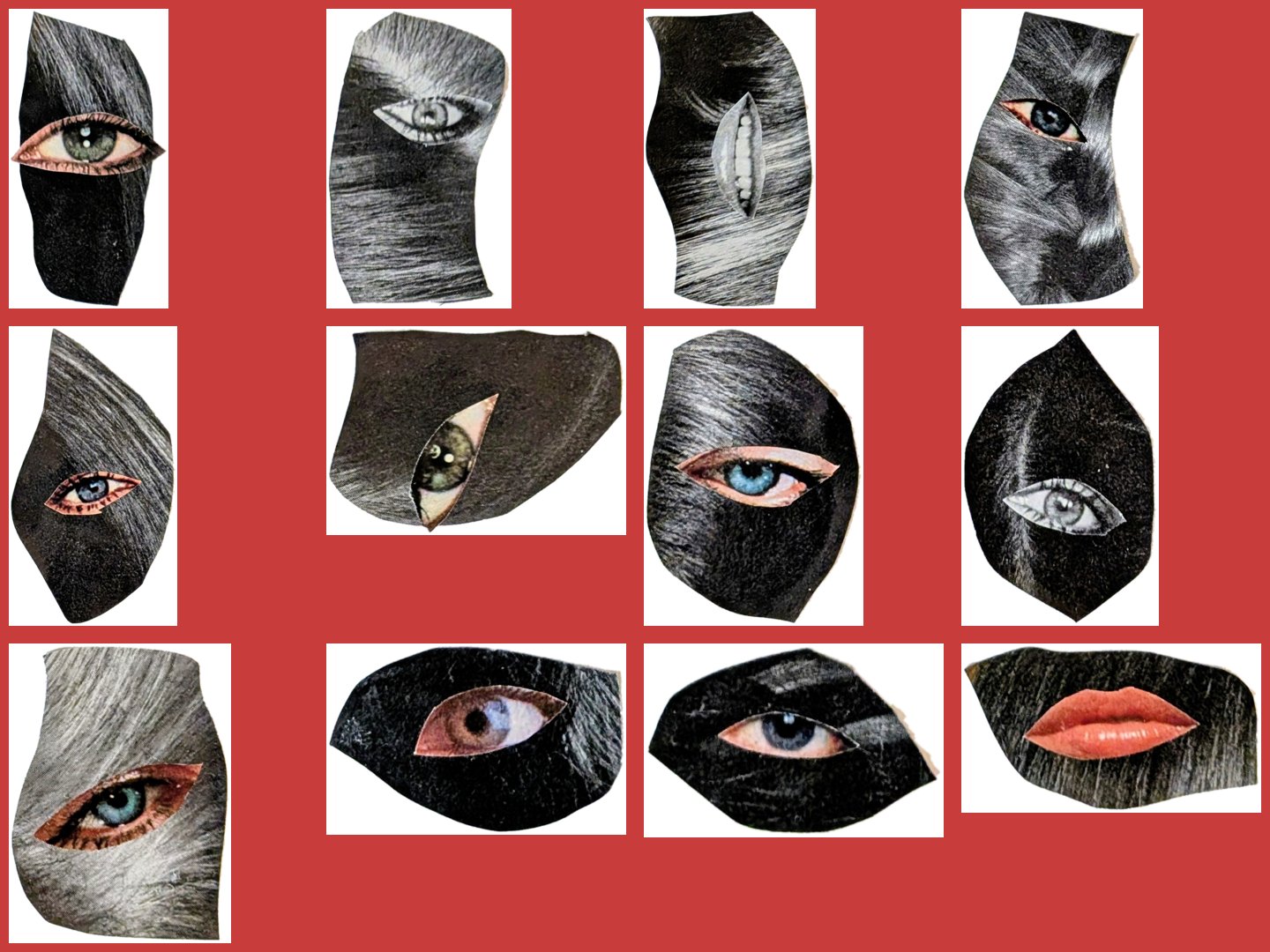
On 18 September an image model, Nano Banana Pro, redrew them from my scan, and the stones use its redraws. The moving irises, the tears and the water come from the same model.
I asked for more stones. The model made 8. They did not look good, so I cut new ones by hand. 2 of them were yellow. I left those out of the room, and one comes back at the end.
The stones are heavy. Pull one fast and it drags behind your hand. I did not want a game. I wanted you to feel the weight.
Inside a stone
Click a stone and it opens: its line, a short passage from the diary, 2 details from my collages and a short film.
Most of the films are my house: eggs coming to the boil, a washing machine from inside the drum, a glass that keeps overflowing. A film never acts out its line. The eggs sit next to “I feel like someone is holding a gun to my temple and telling me to run.” Nothing in the pot is dramatic. It just keeps getting hotter.
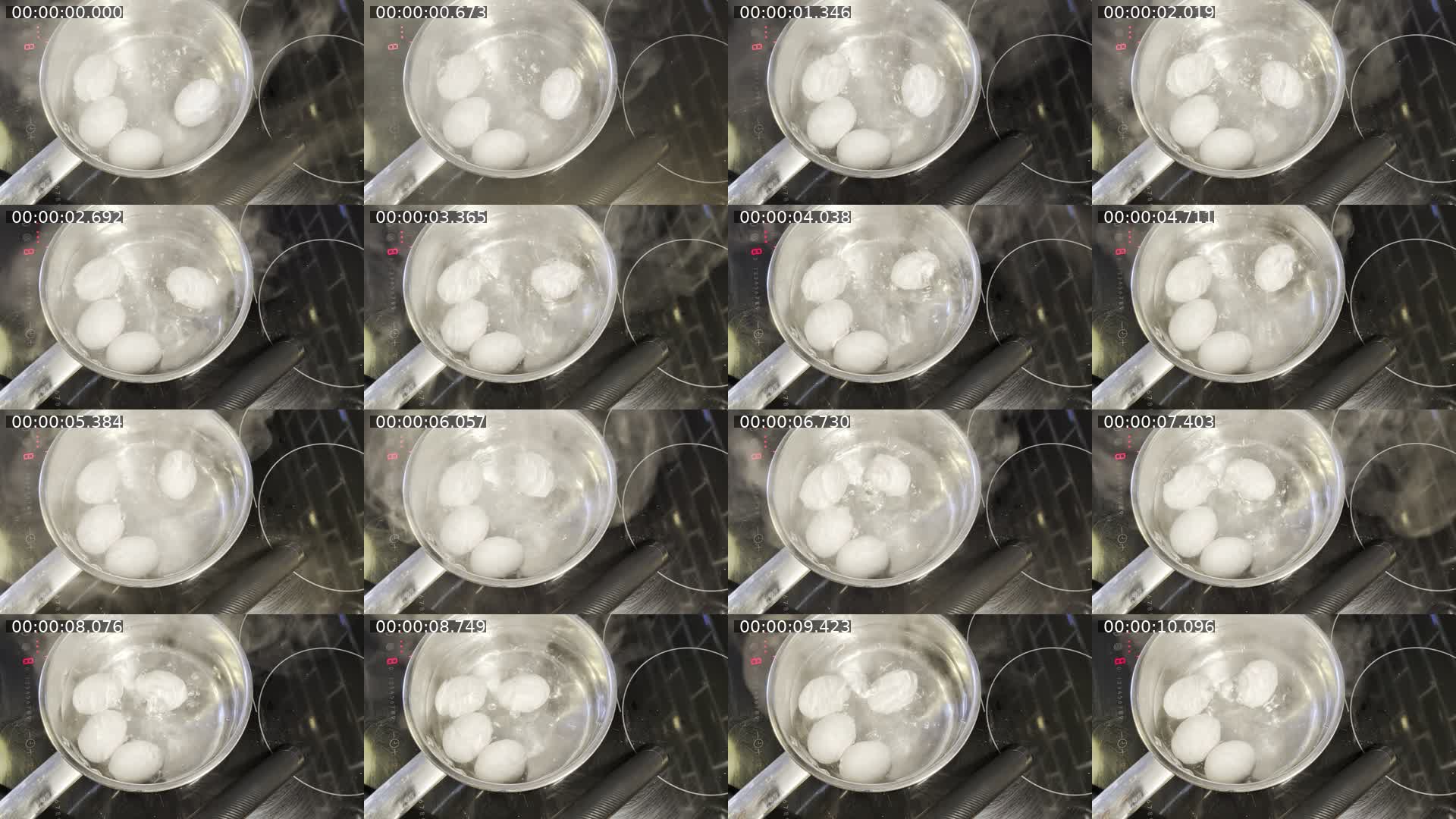
Nobody filmed 2 of them. A video model made them from prompts the machine wrote, and each says so underneath: generated from text, Kling 3.0.
The collage titles are the machine’s, not mine. I liked them enough to let it name the 2 new ones too.
The title says burn. I did burn pages in my kitchen. Fire appears once in the whole piece. It was never supposed to be the headline.
The voice in the margin
The work side is never shown. It talks, like a disappointed parent. None of its lines are in the notebook. Some I wrote, some the machine wrote.
When the stones land: “To do: move the stones. Open every one. No skipping.” At the first tear: “Look what you have done. You made her cry.” The voice has an answer for every stone, and a stone you have read never opens again.
Sooner or later, my own diary answers: “That is also my fault.” Near the end: “Stop being sad and stop suffering.” By then you cannot tell who is giving the orders.
The fall
Every tear raises the paper water. The task says open every one. The floor makes sure you cannot. Once a few stones have cried, stop touching them for 10 seconds and my diary answers. After its second line, the floor breaks: “Please hold. Everything is falling apart.” Keep opening, and it breaks after the 10th anyway.
Once, an eye stays dry and the water goes down. It is the stone that says “I want to end every week feeling good.” A false recovery, on purpose.
There is no sound. Clacking stones would be a lie. They are paper.
The conversation
At the bottom, the yellow stone is waiting. “Oh. Hello. I was under all of that.” It asks “Which of my lines have you said to yourself?” Then it asks what you say to yourself, and gives you a box. Nothing you type is stored or sent anywhere.
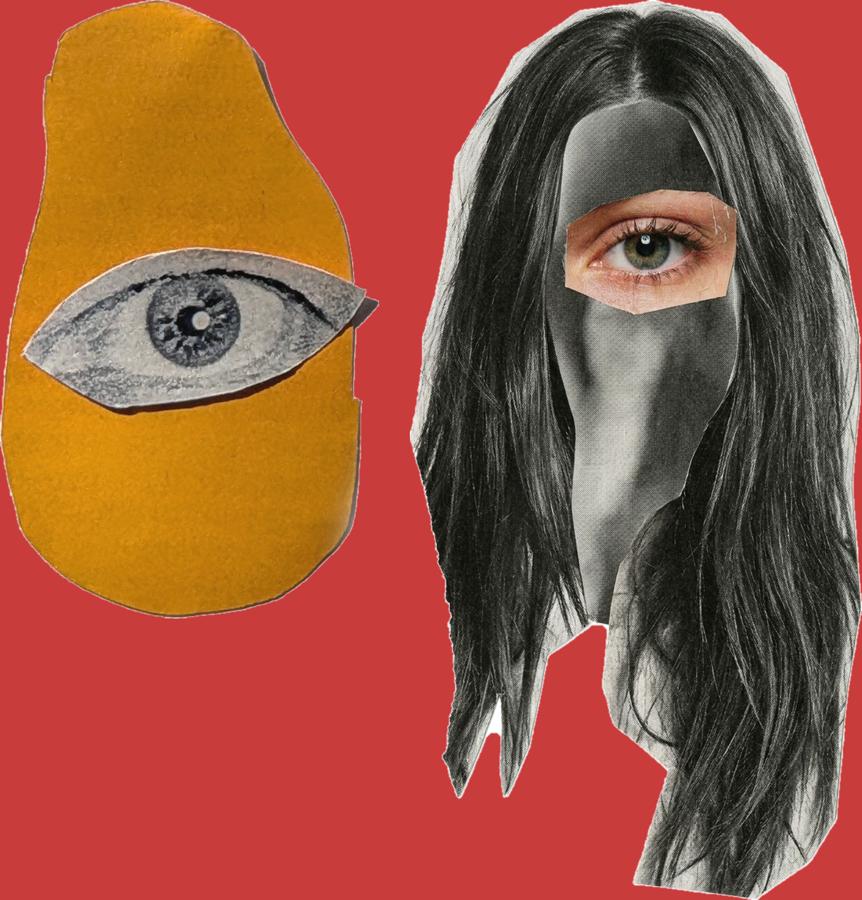
When you answer: “I am made of stone. I can hold it.” Then “I have it now.” One paper tear runs to the bottom of the screen. Give it nothing, and it does not cry.
I first thought my own face could end it, saying everything will be okay. Margo, who critiques my work, said comfort answers the question for the reader. I agreed.
What is still open
My face is not in yet. The one I want was made by a machine from text. I may cut one by hand and show both.
And the piece can fail: a reader opens one stone and leaves.
The answer that would tell me if it worked is the answer to the yellow stone’s question. I made sure I would never see it.